Dallas and Houston: Texas’s technological edge
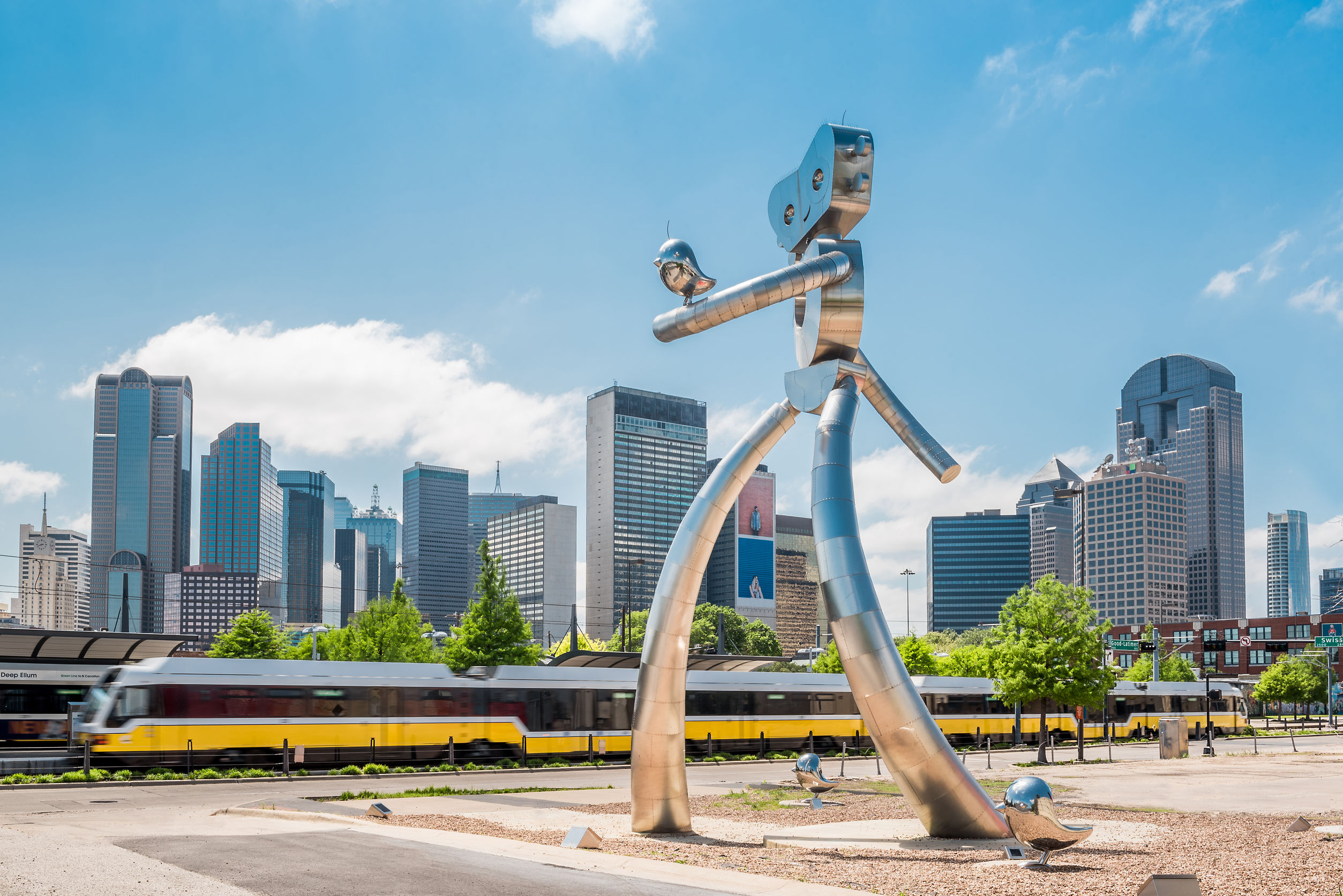
At DART in Dallas, operations control and passenger information are managed using INIT’s Intermodal Transport Control System. Dallas is also the venue for one of the semi-finals. © DART
Dallas Area Rapid Transit (DART) provides a wide range of services, including bus, light rail, regional rail, on-demand service, and paratransit. The public transport company moves more than 171,000 passengers daily across a 700 square mile region of North Texas. On its light rail vehicles, DART relies on INIT on-board computers and solutions for automatic vehicle location, passenger information, automatic passenger counting, and planning and statistics. An automated voice announcement system delivers real-time updates on arrivals, departures, and next stops, helping keep passengers informed. To support major game events, DART will scale and coordinate its existing network into a high-capacity system, preparing to accommodate more than 1 million visitors in one of the country’s leading sports destinations. Dallas will host a semi-final.
In Houston, the match venue is directly connected via METRORail’s Red Line, complemented by an extensive local bus network. With an estimated 500,000 visitors expected to rely on public transport during the tournament, the Metropolitan Transit Authority of Harris County (METRO) is preparing for significant demand. The recently launched RideMETRO fare system introduces contactless open and closed loop payments (and therefore payments by credit card), as well as mobile ticketing, streamlining boarding and reducing dwell times. Paired with INIT’s MOBILE ITCS Intermodal Transport Control system, METRO gains real-time operational visibility, enabling dynamic dispatching, service adjustments, and on-time performance. Together, these systems equip Houston to manage large passenger volumes efficiently while maintaining reliable service.